

Neuropathy is a condition that affects the nerves, leading to symptoms like pain, tingling, and numbness. For many individuals in Wellington, FL, managing neuropathy effectively can involve a variety of strategies, including nutrition. This article provides valuable neuropathy nutrition tips that may help you improve your overall wellness and manage symptoms more effectively.
Importance of Nutrition in Neuropathy Management
Nutrition plays a crucial role in managing neuropathy. A balanced diet can help support nerve health and reduce inflammation, which may alleviate some of the discomfort associated with this condition. Here are some nutrition tips to consider:
1. Incorporate Anti-Inflammatory Foods
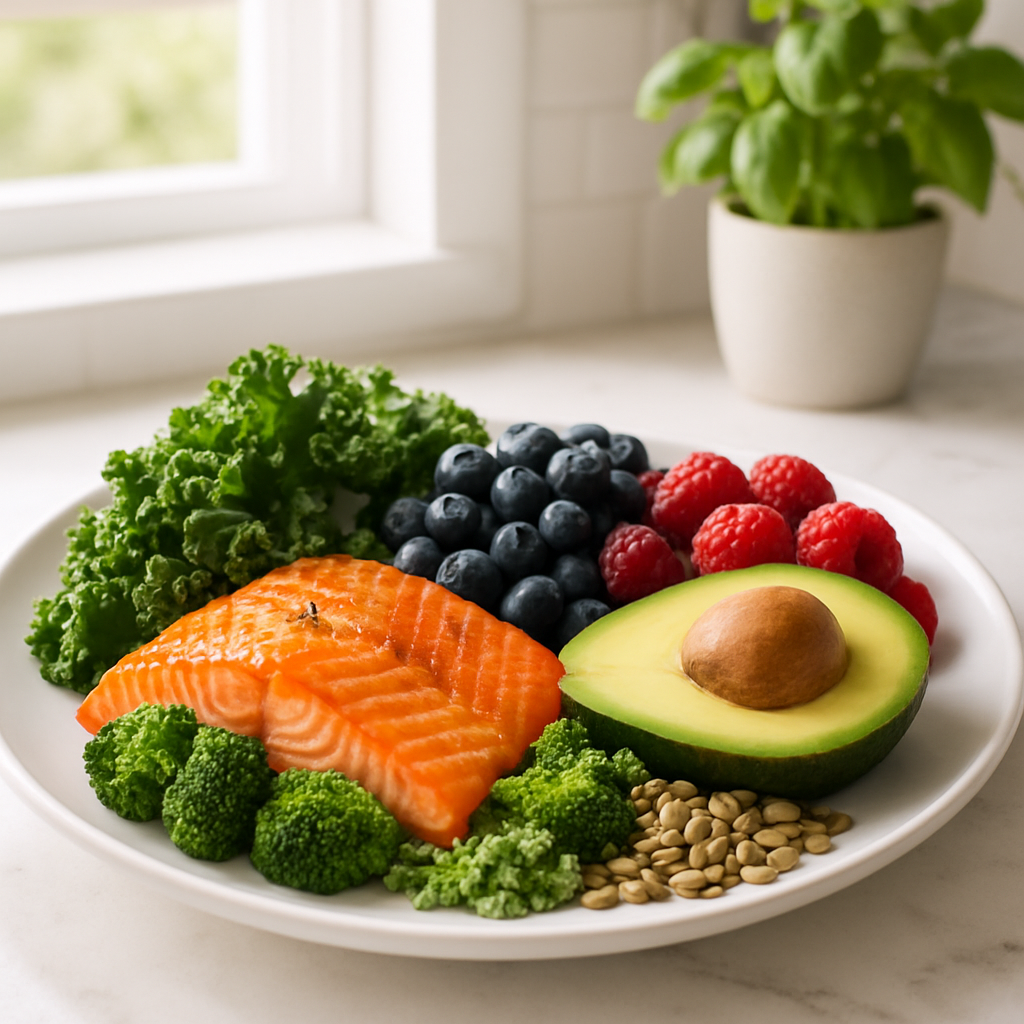
- Fruits and Vegetables: Berries, leafy greens, and cruciferous vegetables can help combat inflammation.
- Healthy Fats: Foods rich in omega-3 fatty acids, like salmon and walnuts, may support nerve health.
2. Focus on Whole Grains
Whole grains such as brown rice, quinoa, and oats provide essential nutrients and fiber, which can aid in maintaining stable blood sugar levels. This is particularly important for individuals with neuropathy, as high blood sugar can worsen symptoms.
3. Stay Hydrated
Drinking enough water is essential for overall health. Proper hydration can support nerve function and help reduce the risk of complications associated with neuropathy.
Vitamins and Minerals to Consider
Certain vitamins and minerals may be beneficial for those managing neuropathy. Including foods rich in the following nutrients can be part of a balanced diet:
- B Vitamins: B1, B6, and B12 are essential for nerve health. Foods like eggs, dairy, and whole grains are good sources.
- Vitamin D: Found in fatty fish and fortified foods, vitamin D may support overall health, including nerve function.
- Magnesium: Nuts, seeds, and leafy greens can provide magnesium, which may help reduce nerve pain.
Additional Lifestyle Tips
Alongside nutrition, certain lifestyle changes may also contribute to managing neuropathy:
- Regular Exercise: Engaging in physical activity can improve circulation and help maintain nerve health.
- Avoiding Alcohol and Tobacco: These substances can exacerbate neuropathy symptoms and should be limited or avoided.
Frequently Asked Questions
1. Can diet really affect neuropathy symptoms?
Yes, a balanced diet rich in anti-inflammatory foods and essential nutrients may help manage neuropathy symptoms.
2. Are there specific foods I should avoid?
Processed foods high in sugar and unhealthy fats may contribute to inflammation and should be limited.
3. How can I ensure I’m getting enough vitamins?
Incorporating a variety of fruits, vegetables, whole grains, and lean proteins into your diet can help you meet your nutritional needs.
4. Should I consult a nutritionist for personalized advice?
Consulting a nutritionist can provide tailored guidance based on your individual needs and health conditions.
By implementing these neuropathy nutrition tips, residents of Wellington, FL, may find ways to manage their symptoms better and improve their quality of life. Remember, it’s important to assess your unique situation and consider how these tips can fit into your daily routine.
Call Wellington NeuroDoc today at (561) 793-4700 to schedule a consultation.



Comments are closed.